
Disclosure: This is a sponsored post.
A serious injury can create physical pain, financial pressure, and emotional stress. When an accident happens because of another person’s negligence, understanding what can strengthen a personal injury claim may help an injured person make better decisions. Keeping records, getting appropriate medical care, preserving evidence, and understanding the legal process are all important steps. When the circumstances are complex, a Personal injury attorney Cumming GA can help explain the legal options available under Georgia law.
Understanding Personal Injury Claims
Personal injury claims generally involve situations where someone suffers harm because another party may have acted negligently or failed to act reasonably. These cases can arise from automobile accidents, slip-and-fall incidents, workplace-related situations, defective products, and other circumstances.
Every case is different. The available evidence, seriousness of the injuries, circumstances surrounding the accident, and applicable laws can all affect the outcome.
Understanding these basic factors early can help an injured person organize important information and avoid unnecessary mistakes.
Prompt Medical Treatment Matters
Medical attention should be one of the first priorities after an accident. Some injuries are immediately noticeable, while others may develop symptoms later.
Visiting a healthcare professional creates a medical record that can document the injury and treatment received. Follow-up appointments, diagnostic tests, prescriptions, and rehabilitation may also become part of this record.
Delaying treatment can make recovery more difficult and may create questions about whether an injury was caused by the accident. Following medical recommendations and communicating honestly about symptoms can help create a clearer picture of the person’s condition.
Preserve Evidence From the Accident
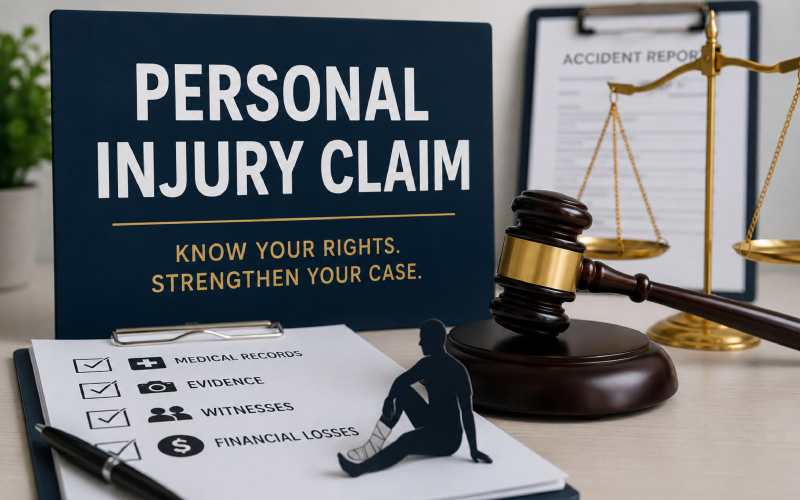
Evidence can become harder to obtain as time passes. Photographs, videos, accident reports, medical records, receipts, and witness information may all be relevant depending on the circumstances.
For example, someone injured in a vehicle collision might photograph vehicle damage, road conditions, traffic signs, and the surrounding area. Someone involved in a premises accident might document the condition that allegedly caused the injury.
Keeping these materials organized can make it easier to explain what happened later.
Keep Track of Financial Losses
An injury can create expenses beyond medical bills. A person may lose income because they cannot work, require transportation to medical appointments, or need assistance with everyday activities.
Keep copies of medical bills, pharmacy receipts, repair expenses, employment records, and other documents related to financial losses.
A simple file or digital folder can make these records easier to manage. Include dates and descriptions when possible so that expenses can be connected to the accident and recovery process.
Be Careful With Insurance Communications
Insurance companies often investigate accidents and may request information from people involved. It is important to provide truthful information, but injured individuals should avoid making assumptions or statements they cannot support.
Do not guess about details that you do not remember. Avoid minimizing an injury simply because symptoms initially appear manageable.
Before accepting a settlement, understand what the agreement means and what losses it is intended to cover. Once a settlement is finalized, there may be restrictions on pursuing additional compensation.
Avoid Discussing the Case Publicly
Social media can create complications during an injury claim. Photographs, comments, videos, or posts about activities may be interpreted differently from how the person intended.
For example, a photograph showing someone attending a social event does not necessarily mean that the person has fully recovered. However, without context, it could potentially be used to challenge statements about physical limitations.
For this reason, it is generally wise to avoid discussing the details of an accident or claim publicly. Be cautious about what you post while the matter is ongoing.
Identify Potential Witnesses
People who saw the accident may provide useful information about what occurred. Witnesses can sometimes confirm details that are difficult to establish through other evidence.
If possible, record their names and contact information after an incident. Do not pressure witnesses to make particular statements. Their role is simply to provide an accurate account of what they observed.
Witness information can become particularly important when the parties involved disagree about how an accident happened.
Understand the Importance of Liability
A personal injury claim generally requires more than proving that someone was injured. Depending on the circumstances, it may also be necessary to establish that another party was legally responsible for causing the harm.
Evidence relating to negligence can include photographs, witness accounts, accident reports, surveillance footage, medical records, and other documentation.
The specific requirements depend on the type of claim and applicable law. This is one reason why understanding the legal aspects of an accident can be important before making major decisions.
Consider the Full Impact of an Injury
An injury may affect more than a person’s immediate medical expenses. Serious injuries can interfere with employment, family responsibilities, hobbies, sleep, mobility, and overall quality of life.
When documenting recovery, consider keeping notes about significant changes in daily activities. This information may help create a clearer record of how the injury has affected everyday life.
It is important to be accurate and consistent. Never exaggerate symptoms or losses, but do not ignore genuine difficulties either.
Do Not Ignore Legal Deadlines
Personal injury claims can be subject to deadlines. These time limits may vary depending on the type of case and the parties involved.
Waiting too long can create problems with evidence and may affect the ability to pursue a claim. Important documents can become difficult to obtain, witnesses may become harder to locate, and memories can fade.
Anyone considering legal action should learn about the deadlines that may apply to their circumstances as early as possible.
Seek Professional Legal Guidance
Personal injury law can involve complicated questions about responsibility, evidence, damages, insurance, and procedure. An experienced legal professional can review the circumstances and explain potential options.
When meeting with an attorney, bring documents that may be relevant, including accident reports, medical records, photographs, insurance correspondence, bills, employment information, and witness details.
Professional guidance can be especially valuable when injuries are serious, liability is disputed, several parties may be involved, or an insurance company has denied or challenged a claim.
Conclusion
A strong personal injury claim depends on the specific facts and evidence surrounding an accident. Prompt medical care, careful documentation, financial records, witness information, responsible communication, and awareness of legal deadlines can all play important roles. Because every situation is different, obtaining reliable legal guidance can help an injured person understand the options available. For individuals dealing with an accident in Georgia, The Holliday Firm provides legal assistance for personal injury matters and can help clients better understand the claims process.

Sarah Jenkins is a seasoned Digital Content Strategist and lead reviewer for The Fame Blogs, where she contributes to their growing collaborative digital hub. With a strong background in web development and SEO, Sarah has spent over five years helping users navigate the digital landscape to find tools that actually work.
Specializing in productivity and online safety, she focuses on providing honest, data-driven critiques of emerging websites. When she isn’t deconstructing the latest tech trends, Sarah is dedicated to creating high-quality content that empowers readers to make smarter, safer choices online.