
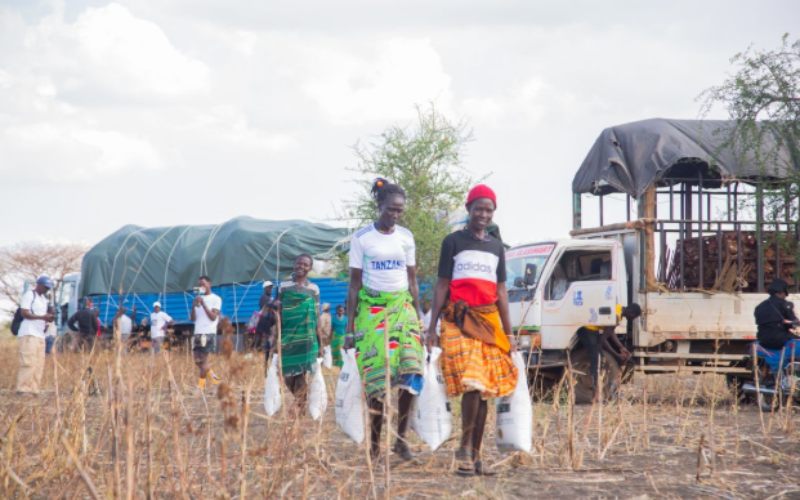
A 13-year-old girl walks several kilometres each day to collect water from a temporary settlement. She no longer attends school. Her family fled conflict months ago, and every decision now revolves around safety, food, and survival.
For millions of women and girls living through war, this reality is all too familiar.
When humanitarian organizations decide where limited resources can create the greatest impact, they often prioritize women and girls. At first glance, this may seem like a matter of addressing inequality. In reality, it is something much bigger. Supporting women and girls often improves outcomes for entire families, strengthens communities, and creates better futures for children.
This is why many experts consider humanitarian aid for women and girls one of the most effective forms of humanitarian assistance available today.
According to UN Women, more than 60 million forcibly displaced and stateless women and girls face heightened risks of gender-based violence and exploitation during crises. Source:
For Canadians looking to support humanitarian efforts, understanding where aid creates the greatest long-term impact can help guide more meaningful giving decisions.
Let’s understand why supporting women and girls creates some of the strongest and most lasting outcomes in humanitarian response.
#1 Women and Girls Often Face the Greatest Risks During Conflict
Conflict affects everyone, but women and girls frequently face additional dangers that can shape the rest of their lives.
Displacement, family separation, and the collapse of community support systems increase the risks of violence, trafficking, exploitation, and forced marriage. Access to education and healthcare often becomes limited, while caregiving responsibilities increase.
UN Women reports that conflict-related sexual violence has increased significantly in recent years, while gender-based violence is assessed as severe or extreme in most major humanitarian crises.
Without targeted support, these challenges can affect not only women and girls but also the families who depend on them.
Protection services, safe spaces, healthcare access, and psychosocial support help create the stability needed for recovery to begin.
#2 Supporting Women Helps Protect Children
One of the strongest arguments for humanitarian aid for women and girls is its direct impact on children.
In many households, women are primary caregivers. They make decisions about nutrition, healthcare, education, and daily family well-being. When women receive support, children often benefit immediately.
A mother with access to healthcare is better equipped to care for her family. A woman with livelihood opportunities can help create financial stability. A girl who stays in school is more likely to support the education of future generations.
This connection is especially important for children in conflict zones, who rely heavily on stable caregivers during periods of uncertainty and displacement.
Supporting women is not separate from supporting children. In many cases, it is one of the most effective ways to protect them.
#3 Education Creates Generational Change
Education remains one of the most powerful tools in humanitarian recovery.
Conflict often forces girls out of school due to safety concerns, displacement, or increased household responsibilities. Yet remaining in school can significantly improve future opportunities and reduce vulnerability to poverty and exploitation.
Educated women are more likely to participate in the workforce, support their children’s learning, and contribute to healthier communities.
The impact extends far beyond one individual. What starts with one girl’s education can influence an entire family and, eventually, future generations.
This is why education-focused humanitarian aid for women and girls continues to be one of the most effective long-term investments in recovery.
#4 Stronger Women Help Communities Recover Faster
Rebuilding after conflict involves more than restoring infrastructure. Communities also need social stability, economic recovery, and strong local leadership.
Women often play a central role in all three.
They help rebuild support networks, care for vulnerable family members, contribute to local economies, and strengthen community resilience. Their involvement helps create the foundations needed for long-term recovery.
UN Women notes that women’s participation is essential to sustainable peace and community rebuilding, yet they are often underrepresented in recovery and decision-making processes.
When women have opportunities to learn, work, and lead, communities are better equipped to recover from conflict and withstand future challenges.
Why This Approach Creates Lasting Impact?
Emergency assistance such as food, shelter, and medical care remains critical during crises. However, long-term recovery requires investments that address deeper challenges.
Programs focused on women and girls often combine:
- Education opportunities
- Protection services
- Healthcare support
- Mental health and psychosocial care
- Economic empowerment initiatives
The reason this approach is so effective is simple: when women and girls receive support, the benefits frequently reach families, caregivers, and children in conflict zones.
The impact grows far beyond the individual receiving assistance.
Closing Thoughts
Conflict creates immense challenges for women, girls, and children. Yet it also reveals one important truth: supporting women and girls is one of the most effective ways to create wider and more lasting change.
Through education, protection, healthcare, and economic opportunities, humanitarian aid for women and girls helps strengthen families, improve outcomes for children in conflict zones, and support long-term community recovery.
For Canadians looking to make a meaningful difference, understanding this connection matters. When women and girls are allowed to learn, lead, and recover, the benefits extend far beyond one person.
When women and girls recover, families recover. When families recover, communities rebuild. That is why supporting women and girls remains one of the most effective forms of humanitarian aid.