Key Takeaways
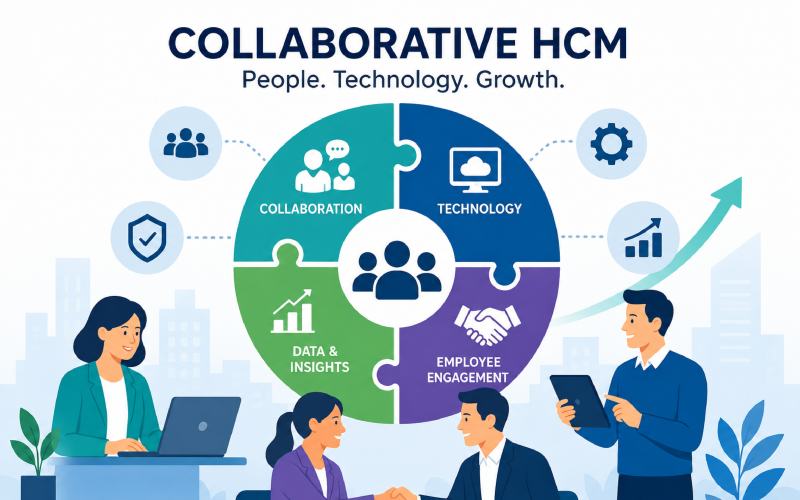
- Collaborative, holistic Human Capital Management (HCM) is necessary for sustainable organizational performance.
- The adoption of new technology and integrated solutions greatly improves HR efficiency.
- Ongoing training and stakeholder engagement are essential for the successful implementation of HCM strategies.
- Embracing future trends positions companies for ongoing workforce success.
In today’s rapidly evolving business landscape, organizations are under continuous pressure to manage their human resources more efficiently. The complexity of workforce management continues to grow each year, as shifting employee expectations and regulatory requirements influence how companies operate. Effectively addressing HCM challenges in the workplace is crucial for sustaining business growth, improving productivity, and retaining top talent. Companies increasingly recognize the value in adopting collaborative solutions that involve modern technology and cross-departmental integration.
Collaboration throughout the HR process streamlines operations, reduces administrative burdens, and fosters a more positive employee experience. By combining innovative tools with a holistic approach, organizations can overcome obstacles such as talent shortages, high turnover, and disengagement. Strategic HCM initiatives give businesses the agility to adapt to workforce trends and create an engaging workplace culture.
Understanding HCM Challenges
Human Capital Management is becoming increasingly complex as businesses navigate diverse employee demographics, compliance mandates, and escalating competition for talent. Issues such as attracting skilled workers, ensuring legal compliance, and building a culture of engagement regularly challenge leaders and HR teams. These obstacles, if unmanaged, often result in diminished productivity, inconsistent performance, and higher employee turnover. Furthermore, remote and hybrid work environments have made it even more urgent to rethink traditional HCM approaches.
Additionally, global workforce trends are reshaping traditional approaches to talent acquisition and retention. Compliance with varying labor laws across multiple regions adds a further layer of complexity. Companies must constantly monitor regulatory changes and adapt their policies to avoid costly penalties and retain a positive employer reputation. Meeting the expectations of today’s job candidates, who often value flexibility, work-life balance, and diversity, further increases the demands on HCM professionals.
The Importance of Collaborative Solutions
Collaborative solutions are designed to break down operational silos and foster a culture in which departments and teams work together to achieve common workforce goals. This approach builds bridges between HR, line managers, and executive leadership. When communication channels remain open and transparent, employees experience better support, while organizations gain insights to make more informed decisions. Collaboration across functions also leads to faster problem-solving, driving efficiency and reducing the likelihood of errors or missed compliance deadlines.
To learn more about the significance of a coordinated approach within HR functions, helpful insights can be found in sources such as ADP’s HCM Buyer’s Guide, which highlights how a unified strategy sharpens both productivity and employee satisfaction.
Integrating Technology in HCM
Technological innovation is central to transforming Human Capital Management. Organizations are leveraging advanced solutions such as cloud-based platforms, artificial intelligence, and data analytics to streamline tasks and enhance decision-making. With solutions like UKG used by nearly 90 percent of major U.S. healthcare systems, staff scheduling is optimized, improving both resource allocation and patient care outcomes. Automation also helps HR teams free up valuable time, allowing them to focus on strategic initiatives and employee engagement rather than routine administrative duties.
Mobile accessibility and user-friendly self-service options empower employees and managers to handle HR processes independently, from anywhere. Systems that offer real-time analytics help leadership identify trends, assess skill gaps, and deploy training resources more effectively. As workforce expectations evolve, integrating social collaboration tools and digital communication platforms becomes increasingly important, providing better transparency and support at every stage of the employee lifecycle.
Case Studies of Successful Implementations
Real-world examples illuminate the impact of collaborative HCM solutions. For instance, ADP’s launch of a unified global workforce management suite consolidates time and attendance, scheduling, and workforce analytics into a single ecosystem. This unification not only reduces time spent on manual HR processes but also empowers managers and employees with self-service features. Other organizations have adopted similar solutions, resulting in tangible benefits, such as reduced payroll errors and improved compliance rates. These examples demonstrate how a shift to integrated HCM platforms can modernize business operations, minimize risk, and increase employee satisfaction.
Beyond these, companies across manufacturing, retail, and financial services have realized significant returns on their investments in modern HCM solutions. For example, a major retailer reduced onboarding time by 40 percent and improved employee retention through a digital-first training program. These stories offer tangible proof of how collaborative, technology-driven HCM can generate lasting positive impacts across different industries.
Best Practices for Implementing Collaborative HCM Solutions
- Start with a comprehensive needs assessment to identify and prioritize areas of improvement in your HR processes.
- Engage key stakeholders from across departments early in the process to secure buy-in and encourage cross-functional input.
- Select solutions that can adapt and scale as your organization grows, ensuring long-term value and minimizing disruptions.
- Invest heavily in training for HR teams, managers, and employees to boost adoption and maximize benefits from new systems.
- Routinely review, assess, and adapt your strategies, ensuring they are aligned with evolving organizational goals and workforce expectations.
For further guidelines on HCM best practices, ADP’s article on building HCM strategies for global expansion presents a forward-thinking perspective on aligning HR initiatives with business success.
It is also beneficial for organizations to develop change management plans to guide teams through transitions, minimize resistance, and sustain momentum. Constant feedback loops and iterative improvement processes allow leaders to course-correct as needed and encourage a culture of continuous learning within the organization.
Future Trends in HCM
The next wave of HCM innovation centers on artificial intelligence and machine learning, enabling organizations to predict workforce trends, automate onboarding, and personalize employee experiences. Data-driven HR will become the norm, providing companies with actionable insights for recruitment, talent development, and retention strategies. Employee well-being will shift even further into focus, with technology enabling more personalized support and engagement initiatives to keep the workforce both happy and productive. Companies that anticipate and embrace these trends are likely to enjoy a competitive edge in talent management for years to come.
Another rising trend is the emphasis on diversity, equity, and inclusion (DEI) analytics. Future-focused HCM systems help organizations track DEI metrics and ensure unbiased talent decision-making. Moreover, as hybrid models and gig work increase, agile HCM platforms will allow organizations to recruit and manage talent beyond traditional boundaries, further boosting innovation and global competitiveness.
Conclusion
Modern organizations must address HCM challenges with a mix of collaboration, technology, and strategic foresight. By implementing integrated solutions and fostering a culture of openness and innovation, companies set the stage for resilient, agile human resource management. Prioritizing best practices and staying ahead of emerging trends will enable organizations not only to compete but also to create workplaces where employees thrive.
Ultimately, organizations that strive for continuous improvement in their HCM strategies, invest in technology, nurture their workforce, and remain receptive to feedback will be best positioned to achieve their business goals. The future of work will favor those who can adapt, innovate, and place people at the center of their growth strategies.